
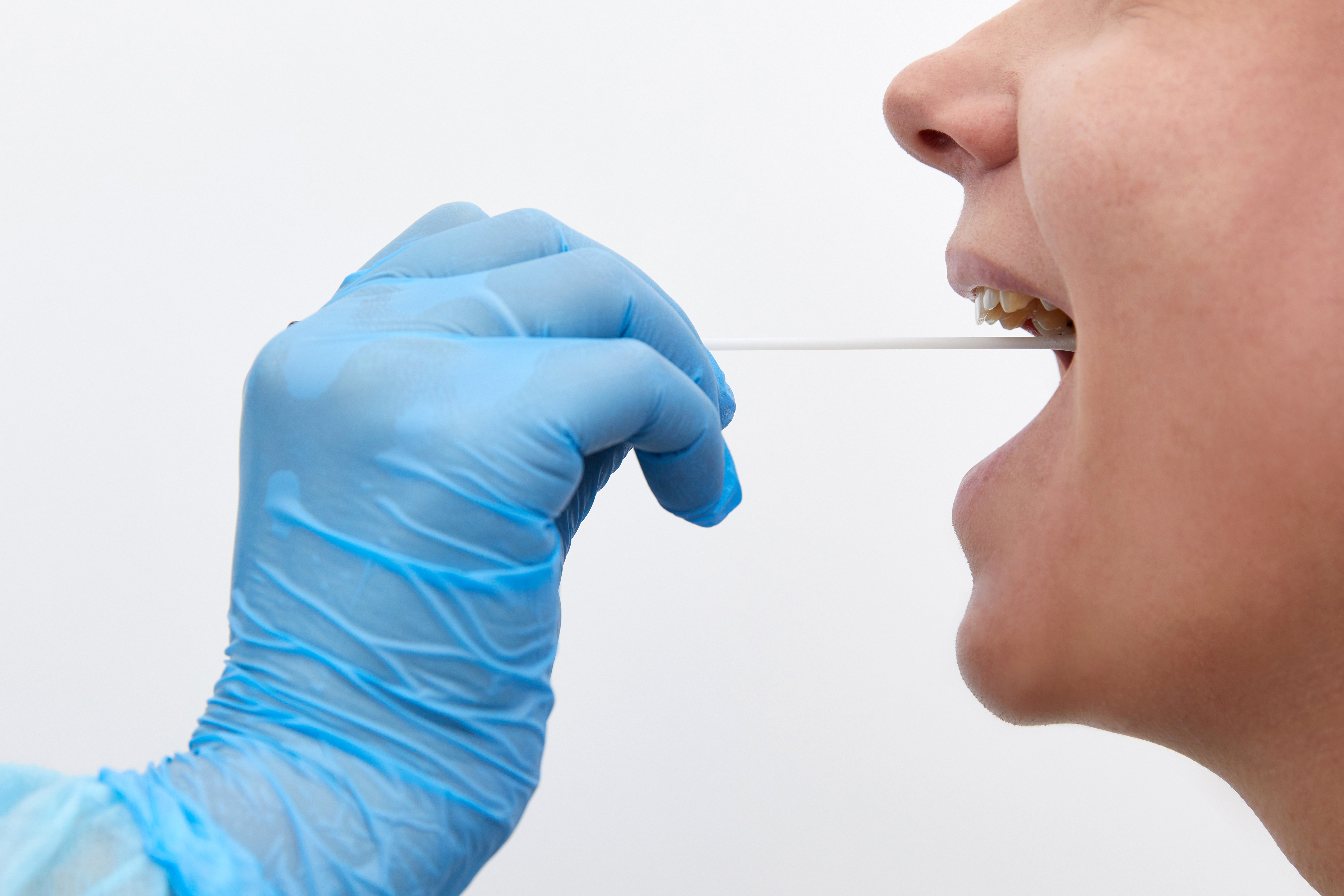
Edibles can feel different from smoking or vaping cannabis, but they can still cause a positive drug test. Most marijuana tests look for THC or THC metabolites, not the way THC was used. Whether THC comes from a gummy, brownie, drink, capsule, vape, or joint, the body still processes it into compounds that common tests can detect.
If you are asking, “does edibles show up in drug test,” the answer is usually yes when the edible contains THC. Timing depends on the test type, dose, frequency of use, metabolism, and cutoff level. This guide explains how an edibles drug test works, what affects detection times, and what employers, clinics, and individuals should know before testing.
How Edibles Are Processed in the Body
THC edibles are absorbed through the digestive system instead of the lungs. After you eat an edible, THC moves through the stomach and liver before entering the bloodstream. This is why edibles often take longer to feel than smoked cannabis.
The liver converts THC into metabolites, including THC-COOH, which is commonly targeted in urine testing. Because THC is fat-soluble, it can be stored in body fat and released gradually. That is one reason a person may test positive after the noticeable effects are gone.
Edibles may also feel stronger or last longer because the body creates 11-hydroxy-THC during digestion. This does not mean every edible stays detectable longer than smoking, but higher doses and repeated use can increase testing risk.
Do Edibles Show on Drug Test Results?
Yes, do edibles show on drug test results when the product contains enough THC and the test happens within the detection window. A standard workplace urine screen usually cannot tell whether THC came from an edible or another cannabis product. It simply detects evidence of cannabis exposure.
This matters because some people assume legal edibles, hemp-derived THC products, or low-dose gummies are “safe” for testing. In reality, legal THC can still lead to a positive result. Full-spectrum CBD products may also contain trace THC.
Testing policies vary by employer, clinic, school, probation program, and government agency. If testing is required, know the rules before using any THC product. Employers can review workplace drug testing supplies for on-site screening and program needs.
How Long Do Edibles Stay in System Drug Test Panels Can Detect?
The phrase how long do edibles stay in system drug test panels can detect does not have one exact answer. Detection depends on the type of test and the person being tested. Urine testing usually has the widest practical window for workplace and clinical screening.
Common detection estimates include:
- Urine testing: several days for occasional use, potentially up to 30 days or longer for chronic heavy use
- Saliva testing: often around 24 to 72 hours, depending on use pattern and test sensitivity
- Blood testing: usually a shorter window and more closely tied to recent use
- Hair testing: often used for longer lookback periods, commonly up to about 90 days
These are general ranges, not guarantees. A single low-dose edible may clear faster for one person than another. A frequent user taking high-dose edibles may remain positive much longer.
Factors That Affect Edible THC Detection Times
Dose is one of the biggest factors. A 2.5 mg THC edible is very different from a 50 mg edible, and repeated dosing can cause metabolites to build up. Frequency also matters because daily or near-daily use usually creates a longer detection window.
Body composition, metabolism, hydration status, liver function, activity level, and product potency can also influence results. The test cutoff is important too. A lower cutoff may detect smaller amounts of THC metabolite than a higher cutoff.
Confirmation testing may provide a more specific result than an initial screening test. This is why clear procedures are important for reliable and defensible testing.
What Type of Edibles Drug Test Is Most Common?
The most common edibles drug test in workplace settings is a urine test. Urine tests are widely used because they are practical, cost-effective, and effective at detecting THC metabolites. Many on-site tests provide fast preliminary results, while lab-based testing may be used for confirmation.
Oral fluid tests are also used because they are easier to observe and may better reflect more recent use. Blood testing is less common for standard workplace screening and is more common in medical or legal contexts. Hair testing is usually used when a longer lookback period is needed.
For employers building a compliant workflow, choosing the right format matters. You can explore drug testing guidance and product options to compare common screening tools and use cases.
Can Edibles Cause a Positive Test After the Effects Wear Off?
Yes. Feeling sober does not mean THC metabolites are gone. The noticeable effects of edibles may last several hours, but urine detection can last days or weeks depending on use patterns.
This is one of the biggest misconceptions about edible cannabis. A person may feel completely normal the next day but still test positive. Most workplace tests are not designed to prove current impairment. They are usually designed to detect prior exposure.
That distinction is important for both employees and employers. A positive urine result may indicate THC exposure, but it does not automatically prove impairment at the exact time of testing.
Are Hemp-Derived THC Edibles Different for Drug Testing?
Hemp-derived delta-8, delta-9, and other THC edibles can still create drug testing risk. Many drug tests are not designed to distinguish the exact legal source of THC. If the product produces THC metabolites, the test may detect them.
This can be frustrating because a product may be sold legally but still violate a workplace policy. Product labels are not always enough to predict testing outcomes. Some products may contain more THC than expected.
If you are subject to testing, the safest assumption is that any THC edible can affect results. For more related guidance, read our blog on how THC drug testing works or review drug testing detection windows.
What Should Employers Know About Edibles and Testing?
Employers should understand that edibles can lead to the same marijuana-positive result as other THC products. A policy that only mentions smoking may create confusion because cannabis now includes gummies, drinks, chocolates, tinctures, and capsules. Clear language is essential.
A strong policy should explain:
- Which substances are prohibited
- When testing may occur
- What specimen types may be used
- Whether medical or recreational cannabis laws affect the policy
- What happens after a non-negative or confirmed positive result
Employers should also consider state laws, industry rules, and safety-sensitive job duties. For fast screening needs, point-of-care testing can support quick decisions when paired with proper procedures.
FAQ
Does edibles show up in drug test results?
Yes, THC edibles can show up on a drug test when the product contains THC. Most tests detect THC metabolites, not whether the cannabis was eaten or smoked.
Do edibles show on drug test panels the same as smoking?
In many cases, yes. Urine tests usually look for THC-COOH, a metabolite created after THC is processed by the body, regardless of how it was consumed.
How long do edibles stay in system drug test results can detect?
Detection can range from a few days to several weeks, depending on frequency, dose, test type, and metabolism. Chronic heavy use can stay detectable longer than occasional use.
Is an edibles drug test different from a marijuana drug test?
Usually, no. An edibles drug test is typically a marijuana or THC test that detects cannabis exposure. The result usually does not identify edibles as the source.
Can one edible make you fail a drug test?
Yes, one THC edible can cause a positive test if the dose is high enough and the test occurs within the detection window. Risk is higher with stronger products or lower testing cutoffs.
Can CBD edibles cause a positive result?
Pure CBD should not trigger a THC-positive result, but full-spectrum or mislabeled CBD products may contain THC. Repeated use of products with trace THC can increase risk.
Get Reliable Drug Testing Supplies and Guidance
Edibles can create a positive result, and guessing is not a good strategy when testing matters. Whether you manage workplace screening or need dependable testing products for your organization, clear tools and clear policies make the process easier.
Visit Drug Testing Supplies to explore testing options, or contact us for help choosing the right solution for your program.