
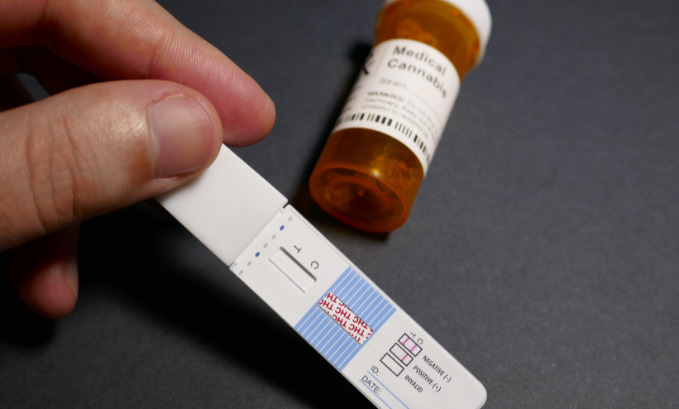
A career as a correctional officer comes with significant responsibility, authority, and public trust. Because of this, nearly every correctional facility requires a correctional officer drug test as part of the hiring process. If you’re applying for a position with a jail, prison, or department of corrections, understanding what to expect can help you prepare and avoid costly mistakes.
This guide breaks down how drug testing works for correctional officers, when it occurs, and how results impact employment eligibility.
Why Drug Testing Is Required for Correctional Officers
Correctional officers work in high-risk environments where safety, judgment, and compliance are critical. Drug testing helps agencies:
- Maintain secure facilities
- Reduce liability and misconduct
- Ensure officers can perform duties safely
- Uphold zero-tolerance workplace policies
Because officers interact directly with inmates and controlled environments, substance use is treated far more strictly than in many private-sector jobs.
Is a Drug Test Mandatory to Become a Correctional Officer?
In most cases, yes. Federal prisons, state departments of corrections, county jails, and private correctional facilities all require a drug test for correctional officer candidates. While policies vary by agency, drug screening is considered a standard condition of employment.
Failing or refusing a test typically results in immediate disqualification.
What Is a Correctional Officer Drug Test?
A correctional officer's drug test is a biological screening used to detect illegal drugs and controlled substances before employment. It is typically required after a conditional job offer but before academy training or official onboarding.
This test is separate from background checks, physical exams, and psychological evaluations.
When Does Drug Testing Occur During the Hiring Process?
Most agencies conduct testing:
- After a conditional job offer
- Before academy enrollment
- Prior to final appointment or badge issuance
Some departments may also require additional testing during training or probationary periods.
Correctional Officer Pre-Employment Drug Test Explained
A correctional officer pre employment drug test confirms that applicants meet agency substance-free requirements before entering service. Results are usually reviewed alongside medical and background findings to determine final eligibility.
Positive results often override otherwise strong qualifications.
What Type of Drug Test Do Correctional Officers Take?
The most common testing methods include urine and oral fluid testing.
Urine Drug Testing for Correctional Officers
Urine testing remains the most widely used method because it:
- Detects substances over a longer window
- Is cost-effective and standardized
- Aligns with federal and state guidelines
Employers often rely on laboratory-verified urine tests for pre-employment screening. Many facilities source these through professional drug testing supplies providers offering compliant collection kits.
Oral Fluid (Saliva) Drug Testing
Some agencies use oral fluid testing when rapid results or direct observation is preferred. These tests detect more recent drug use and are harder to tamper with.
What Drugs Are Tested for Correctional Officers?
A typical drug test for correctional officer candidates screens for:
- Marijuana (THC)
- Cocaine
- Opiates
- Amphetamines
- PCP
Some agencies use expanded panels that include benzodiazepines or synthetic opioids. Prescription medications must usually be disclosed prior to testing.
Do Correctional Officers Get Tested for Marijuana?
Yes, in most cases. Even in states where marijuana is legal, correctional agencies often follow federal standards or internal zero-tolerance policies. A positive THC result can disqualify an applicant regardless of state law.
What Happens If You Fail a Drug Test for a Correctional Officer Position?
Failing a pre-employment drug test typically results in:
- Immediate disqualification
- Removal from the hiring process
- Mandatory waiting periods before reapplying
Some agencies report failed tests to oversight or certification boards, which can impact future law-enforcement opportunities.
Correctional officers are tested after they are hired. Many agencies conduct random drug testing, reasonable suspicion testing, and post-incident or post-accident testing. Maintaining compliance with these testing requirements is an ongoing process, not just part of the hiring procedure.
How to Prepare for a Correctional Officer Drug Test
To avoid issues:
- Disclose valid prescriptions in advance
- Avoid all prohibited substances well before testing
- Follow the collection instructions carefully
- Do not attempt detox from products or adulterants
Tampering or refusal often carries the same consequences as a failed test.
Frequently Asked Questions About Correctional Officer Drug Testing
Can you retake a failed test?
Usually no. Most agencies do not allow retesting.
How long are results valid?
Typically 30–90 days, depending on agency policy.
Are at-home tests accepted?
No. Only authorized collection sites or employer-administered tests are valid.
Final Thoughts: What to Expect From a Correctional Officer Drug Test
A correctional officer's drug test is a critical step in the hiring process and reflects the seriousness of the role. Preparation, honesty, and understanding of agency policies can help ensure a smooth path forward. For employers, using reliable, compliant testing methods protects both staff and facilities while maintaining professional standards.