
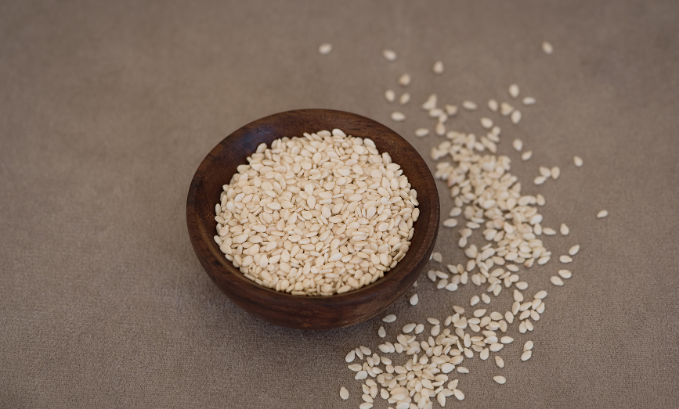
For years, certain foods have sparked concern among employees facing workplace screenings. The most common example involves poppy seeds and opioid testing. This has led many people to wonder: can sesame seeds cause a positive drug test?
When employers rely on professional-grade drug testing supplies, accuracy matters. Understanding the science behind food myths helps both HR teams and employees feel confident in the results.
Can Sesame Seeds Cause a Positive Drug Test?
Let’s address it directly: No, sesame seeds do not cause a positive drug test.
Sesame seeds do not contain opiates or drug metabolites that would trigger standard screenings. Unlike poppy seeds, which can contain trace amounts of naturally occurring opium compounds, sesame seeds have no chemical similarity to substances tested in workplace drug panels.
Modern rapid drug tests are designed to detect specific drug metabolites - not food ingredients.
What Do Workplace Drug Tests Actually Screen For?
Most employers use multi-panel screenings that detect substances such as:
- Marijuana (THC)
- Cocaine
- Opiates
- Amphetamines
- PCP
Expanded panels like a 14 panel drug test or 16 panel drug test may include benzodiazepines, barbiturates, methadone, and other substances.
These panels are calibrated to federally established cutoff levels, meaning trace environmental exposure or food consumption won’t trigger a confirmed positive result.
Can Sesame Seeds Affect a Drug Test in Any Way?
Another common question is: can sesame seeds affect a drug test?
The answer remains no. Drug tests detect metabolites produced when the body processes illegal or controlled substances. Sesame seeds contain oils, proteins, and nutrients - but no drug metabolites.
Even with on site drug tests, screening devices are built to minimize cross-reactivity. If a preliminary screen ever shows a non-negative result, laboratory confirmation testing (GC/MS or LC/MS) verifies the outcome with extreme specificity.
Can You Fail a Drug Test If You Eat Sesame Seeds?
To be clear: can you fail a drug test if you eat sesame seeds? No.
Whether it’s a pre-employment screen, random workplace test, post-accident screening, or reasonable suspicion test, sesame seeds will not cause a failed result.
Employers using professional rapid drug tests can feel confident that dietary foods like sesame are not a concern.
How Rapid Drug Tests Work
Understanding how screenings function helps clear up confusion.
Most workplace tests use immunoassay technology. These tests detect the presence of specific drug metabolites in urine or oral fluid samples. If a substance exceeds the established cutoff level, the test indicates a non-negative result.
Professional-grade drug testing supplies are engineered to meet strict accuracy standards, helping reduce false positives.
Saliva Drug Tests vs Urine Tests
Many employers now prefer saliva drug tests for convenience and supervision advantages. A mouth swab drug test collects oral fluid and detects recent drug use - typically within the past 24 - 48 hours.
Because drugs must be metabolized by the body to appear in saliva, eating food cannot create a positive result. A saliva drug test kit simply cannot confuse sesame seeds for illicit substances.
What About a Mouth Swab Drug Screen?
An oral swab drug test or mouth swab drug screen is particularly resistant to food interference. Once substances are metabolized, they enter oral fluid through the bloodstream - not directly from what was eaten.
Proper saliva screening procedures ensure the sample is collected correctly and contamination risks are minimized.
What Actually Can Cause a False Positive?
While sesame seeds are not a risk, certain medications may sometimes trigger preliminary screens. Examples include:
- Some cold medications
- Certain antidepressants
- Specific prescription stimulants
However, confirmation testing separates legitimate medication use from illegal drug exposure.
Why Cutoff Levels Matter
Drug testing programs follow established cutoff concentrations. These thresholds are intentionally set high enough to prevent incidental exposure from causing positive results.
Whether using a 14 panel drug test or 16 panel drug test, professional screening standards protect both employers and employees.
Best Practices for Employers
To ensure accurate outcomes:
- Use high-quality drug testing supplies
- Follow manufacturer collection instructions carefully
- Maintain documentation for compliance
- Use reputable rapid drug tests from trusted suppliers
Consistency in testing protocols reduces disputes and ensures defensible results.
Choosing the Right Drug Testing Supplies
Selecting the appropriate testing method depends on your workforce and compliance needs.
- Rapid drug tests provide immediate results
- On site drug tests reduce downtime
- Saliva drug tests improve supervision and convenience
- A professional saliva drug test kit supports quick, accurate screening
For employers looking to upgrade their program, explore:
- Rapid Urine Drug Test Kits
- Saliva Drug Test Kits
- 14 Panel Drug Test Kits
- 16 Panel Drug Test Kits
Final Takeaway: Should You Avoid Sesame Seeds?
There is no need to avoid sesame seeds before a drug test. They do not contain drug metabolites, they do not interfere with immunoassay technology, and they will not cause a failed screening.
When employers rely on professional-grade drug testing supplies and validated rapid drug tests, results are dependable and scientifically sound.
If you have questions about implementing on-site drug tests, upgrading to saliva drug tests, or selecting the right oral swab drug test solution, choosing high-quality testing products ensures peace of mind for your workplace.